Smoke shops, vape stores, and candy stores around Houston stay open long hours, and the sales associates behind their counters often work schedules to match. In some of these stores, the employer sends the week's schedule by text message, pays the worker through a personal money transfer service like Zelle, and calls the worker an independent contractor. The worker gets no pay stub, no wage statement, and no tax form at the end of the year. When a week runs sixty hours, the pay is the same hourly rate for every hour, with nothing extra for the hours over forty.
The Buenker Law Firm filed a federal overtime lawsuit in the United States District Court for the Southern District of Texas, Houston Division, against Synvestor Inc, F & T Association LLC, and MIZ Ventures LLC, along with two individuals who, according to the complaint, controlled pay practices at the stores. The complaint alleges that the companies operate retail smoke shops, vape shops, and candy stores in Fort Bend, Harris, Brazoria, and Montgomery Counties under names including Smoke & Cell, Smoke & Sell, G's Vape N Smoke, Candy Cloudz, and Beyond Smoke Shop. The lawsuit was filed on behalf of a former sales associate who worked at stores in Missouri City and Houston. According to the complaint, the companies classified him as an independent contractor, paid him $11.00 per hour and later $11.50 per hour through the Zelle payment service rather than through any payroll system, and paid him that same rate for every hour he worked, including the hours over forty. The complaint alleges that his workweeks averaged about fifty-six hours and in some weeks reached sixty to seventy-two hours, that he was never paid an overtime premium, that the companies deducted monetary penalties from workers' pay, including a $50.00 penalty for opening a store late, and that he was not paid at all for his final week of work. The complaint describes this pay practice as a business plan that lowers the companies' labor costs below what the law allows and gives them an unfair advantage over competing retailers who pay their people correctly.
The Fair Labor Standards Act requires that a covered employee be paid at least one and one-half times his regular rate of pay for all hours worked over forty in a workweek. 29 U.S.C. § 207(a)(1). Whether a worker is an employee or an independent contractor under the FLSA does not depend on the label the company uses, the tax form it issues, or the way it chooses to send the money. Courts look at the economic reality of the relationship: who controls the work, who supplies the store and the merchandise, and whether the worker is in business for himself or depends on the company for his livelihood. The FLSA also requires employers to make and keep records of the wages and hours of their employees. 29 U.S.C. § 211(c). And deductions from a worker's pay for penalties or fines are unlawful to the extent they cut into the overtime compensation the law requires, without regard to any agreement by the employee. 29 C.F.R. §§ 531.35 and 778.304.
The lawsuit was filed as a collective action under 29 U.S.C. § 216(b) on behalf of all individuals who worked as retail store employees for Synvestor Inc, F & T Association LLC, or MIZ Ventures LLC, who were classified as independent contractors, and who were paid on an hourly basis without overtime compensation for hours worked over forty in a workweek, at any time during the three-year period before the complaint was filed. According to the complaint, the same person scheduled sales associates across the stores through the same weekly text message schedules, and those schedules assigned other workers to shifts totaling well over forty hours in a single workweek. This case is currently pending in federal court in Houston.
The complaint points to the employer's own text messages as the record of the hours worked. It alleges that the person who ran the stores sent each worker a written schedule for the coming week, periodically sent a written count of the hours the worker had put in at each store, and asked the worker to confirm those hours. It further alleges that the amounts the companies then paid match those counts multiplied by the worker's straight hourly rate, with nothing added for the hours over forty. The complaint also alleges that the defendants were aware of the overtime requirement, were asked about it, and told the plaintiff that independent contractors are not entitled to overtime pay. These are allegations, and the defendants have not yet responded to them in court.
Workers in similar situations may have legal rights under the FLSA. Because the complaint alleges that the employer acted intentionally and knowingly in violation of federal law, affected workers may be entitled to recover three years of back wages. Time limits apply.
Attorneys Josef F. Buenker and Thomas H. Padgett, Jr. fight hard to protect workers from wage theft and illegal wage and hour practices. With decades of experience in recovering workers’ stolen wages, we have the ability to represent workers facing wage & hour issues like:
If you believe you have been taken advantage of by your employer, please contact our Houston law firm to request a free consultation. You can reach us online or by calling (713) 868-3388.
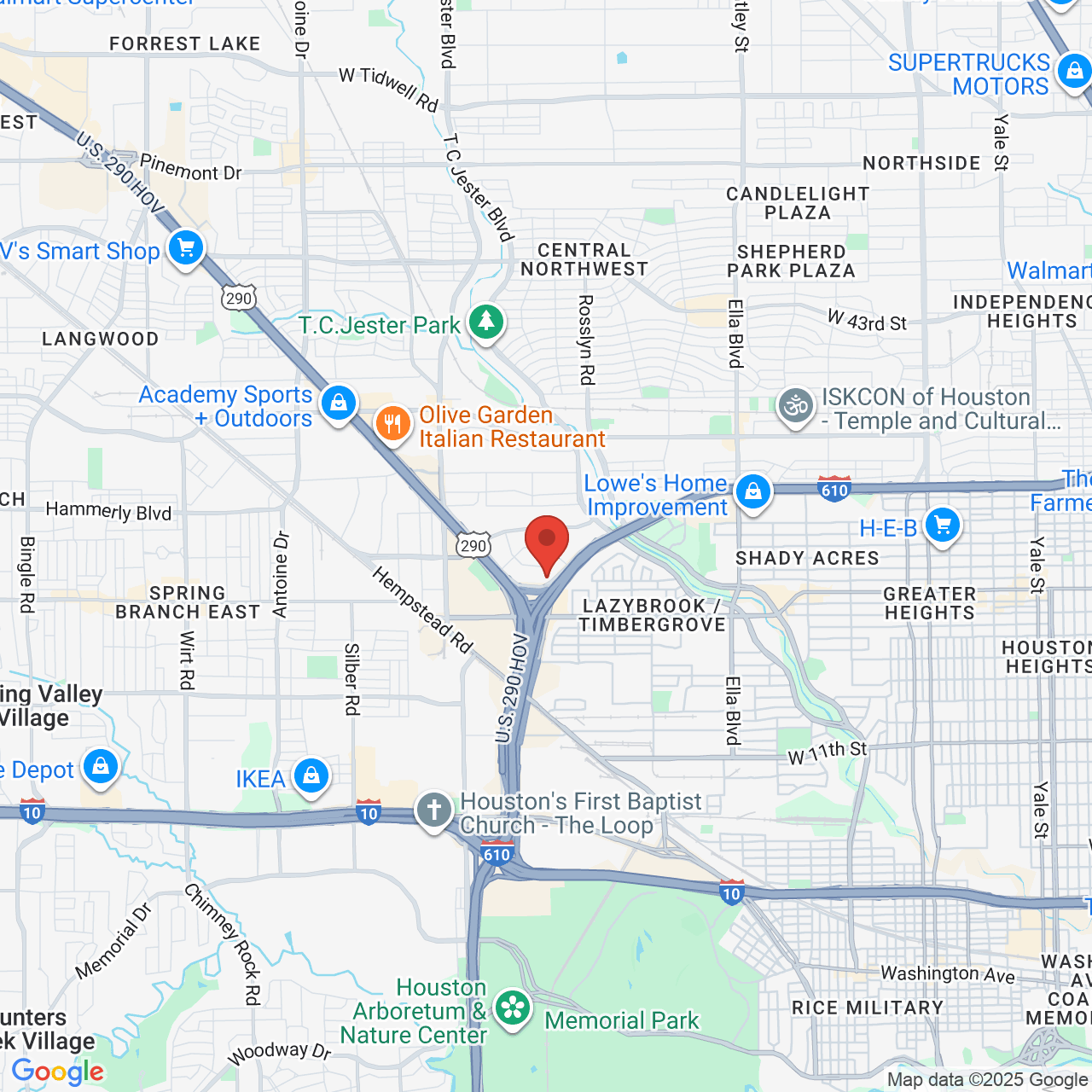
2950 N Loop W
Ste 500
Houston,
TX 77092
Loading hours...
By Appointment Only
US Mail:
P.O. Box 10099
Houston, Texas 77206
Our attorneys handle a variety of wage theft and hour claims, including but not limited to: