The Lunch Break You Never Took: Automatic Meal Deductions and Unpaid Work
Many employers use timekeeping systems that automatically subtract 30 minutes from every shift for a meal period, whether or not the worker actually took one. The practice is legal in principle. An employer may deduct time for a bona fide meal period without requiring the worker to punch out and back in. But the deduction is lawful only if the worker actually received the break. When the meal period never happens, or happens only in interrupted pieces, the automatic deduction takes pay for time the worker spent working, and the Fair Labor Standards Act requires that time to be paid.
A bona fide meal period is one that ordinarily runs 30 minutes or longer and during which the employee is completely relieved from duty for the purpose of eating a regular meal. The phrase completely relieved is where most of these cases are decided. An employee who eats at a desk while answering phones is not completely relieved. A nurse who keeps a patient assignment through lunch is not completely relieved. A machine operator who must stay with a running line is not completely relieved. A security officer who must remain at a post and respond to alarms is not completely relieved. In each of those situations the entire period counts as hours worked, even if the worker managed to eat during it.
Shorter breaks are treated differently and more favorably to workers. Rest periods of roughly five to twenty minutes are common in industry, promote efficiency, and must be counted as hours worked and paid. An employer cannot convert a paid rest break into an unpaid meal period by calling it lunch. Nor can an employer satisfy the meal period rule by giving a worker three interrupted ten-minute stretches over the course of a shift and deducting 30 minutes for the total.
Automatic deduction problems cluster in industries where the work does not stop. Hospitals, nursing homes, and home health agencies. Call centers where queue volume determines when anyone gets away from a headset. Manufacturing plants and warehouses running continuous operations. Security and correctional settings. Restaurants during a rush. In each of these workplaces, the schedule may provide for a lunch that the actual pace of work makes impossible on most days.
Employers often defend these cases by pointing to a written policy that lets workers cancel the deduction by submitting an exception form or notifying a supervisor. Having a procedure is not the end of the analysis. What matters is whether the employer knew or had reason to know that employees were working through meal periods. When supervisors watch employees eat at their stations, when workload makes an uninterrupted break impossible, when exception requests are discouraged, questioned, or routinely denied, or when workers are told that too many exceptions look bad, the employer's knowledge is established and the burden does not shift to the worker.
The dollars add up faster than most workers expect, because the lost time usually sits at the overtime end of the week. Thirty minutes a day across a five-day schedule is two and one-half hours a week. For an employee who already works 40 hours or more, every one of those minutes is overtime time, compensable at one and one-half times the regular rate. Workers who suspect this is happening should compare their scheduled shift times to their actual start and stop times and keep their own notes on the days a real break did not occur.
Workers in similar situations may have legal rights under the FLSA. Unpaid overtime and minimum wage claims are generally subject to a two-year statute of limitations, and three years if the employer's conduct was willful. Time limits apply.
Attorneys Josef F. Buenker and Thomas H. Padgett, Jr. fight hard to protect workers from wage theft and illegal wage and hour practices. With decades of experience in recovering workers’ stolen wages, we have the ability to represent workers facing wage & hour issues like:
If you believe you have been taken advantage of by your employer, please contact our Houston law firm to request a free consultation. You can reach us online or by calling (713) 868-3388.
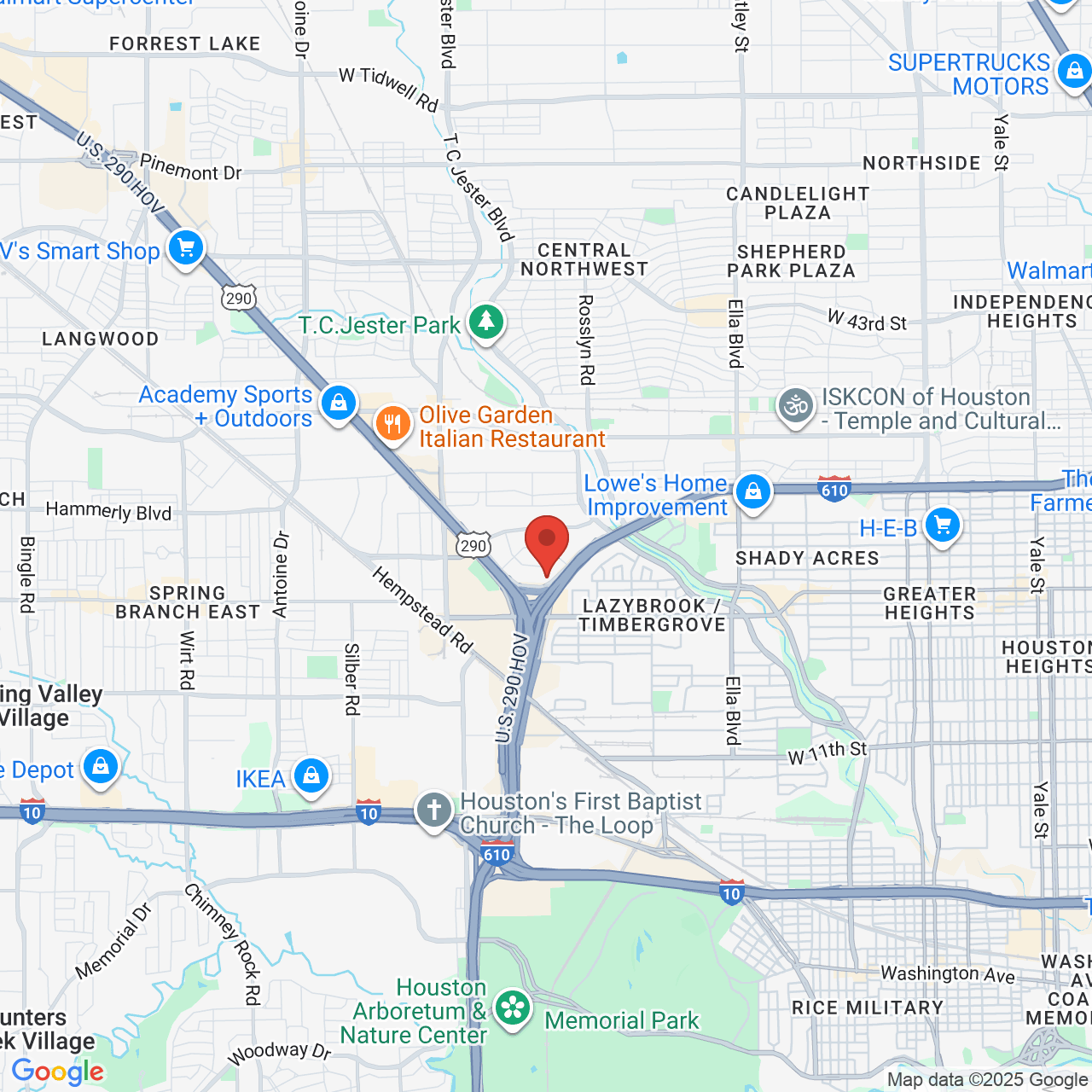
2950 N Loop W
Ste 500
Houston,
TX 77092
Loading hours...
By Appointment Only
US Mail:
P.O. Box 10099
Houston, Texas 77206
Our attorneys handle a variety of wage theft and hour claims, including but not limited to: