Day-rate pay arrangements are common in the oil and gas industry, construction, and certain transportation jobs. Under a day rate, a worker receives a fixed amount of money for each day worked — regardless of how many hours that day involves. These arrangements are legal in many circumstances, but they do not eliminate an employer's obligation to pay overtime under the Fair Labor Standards Act. Workers paid by the day who regularly put in more than 40 hours per week may be owed substantial back wages.
When a worker is paid a day rate and works more than 40 hours in a workweek, the employer must pay additional compensation for those overtime hours. The calculation is not always obvious. First, the regular rate of pay for the week is determined by dividing the worker's total day-rate earnings by the total hours worked. Then, for each hour over 40, the employer owes an additional half of that regular rate — the "half-time" premium. For example, a worker who earns $400 per day for five 10-hour days ($2,000 for the week, 50 total hours) has a regular rate of $40 per hour. The employer owes an additional $20 for each of the 10 overtime hours, or $200 in additional overtime compensation. The key point is that simply paying a flat day rate for all days — with no additional amount for overtime hours — does not satisfy the FLSA.
The most common violation is paying a flat day rate for all days worked with no overtime supplement whatsoever. An employer that pays a worker $350 per day regardless of whether the employee works 8, 10, or 14 hours, and regardless of whether the week totals more than 40 hours, is not complying with federal law. Some employers attempt to avoid this by labeling the day rate as a "salary" or by claiming the rate already "includes" overtime. Without a valid fluctuating workweek agreement that meets specific legal requirements — and even then, only under limited circumstances — those labels do not satisfy the FLSA.
In the oil and gas industry, day rates are used extensively for drilling crews, wellsite supervisors, inspection technicians, and safety personnel. Workers on seven-on/seven-off or similar rotational schedules often work 12-hour days or longer. A worker who puts in 12-hour days for seven consecutive days logs 84 hours in a single workweek. The difference between a flat day rate and properly calculated overtime compensation can be thousands of dollars per year per worker. Federal courts in Texas and other oil-producing states have repeatedly found that energy companies and their contractors violated the FLSA by paying day rates without an overtime supplement.
If you are paid by the day and regularly work more than 40 hours a week, you may be owed overtime pay. The fact that you agreed to a day rate, that everyone in your industry works the same way, or that your contract does not mention overtime does not make the arrangement lawful under federal law. The FLSA's overtime requirement exists precisely to ensure that employers who benefit from extended hours compensate the workers who provide them.
Workers in similar situations may have legal rights under the FLSA. Day-rate overtime claims are generally subject to a two-year statute of limitations — three years if the employer's practice was willful. Time limits apply.
Attorneys Josef F. Buenker and Thomas H. Padgett, Jr. fight hard to protect workers from wage theft and illegal wage and hour practices. With decades of experience in recovering workers’ stolen wages, we have the ability to represent workers facing wage & hour issues like:
If you believe you have been taken advantage of by your employer, please contact our Houston law firm to request a free consultation. You can reach us online or by calling (713) 868-3388.
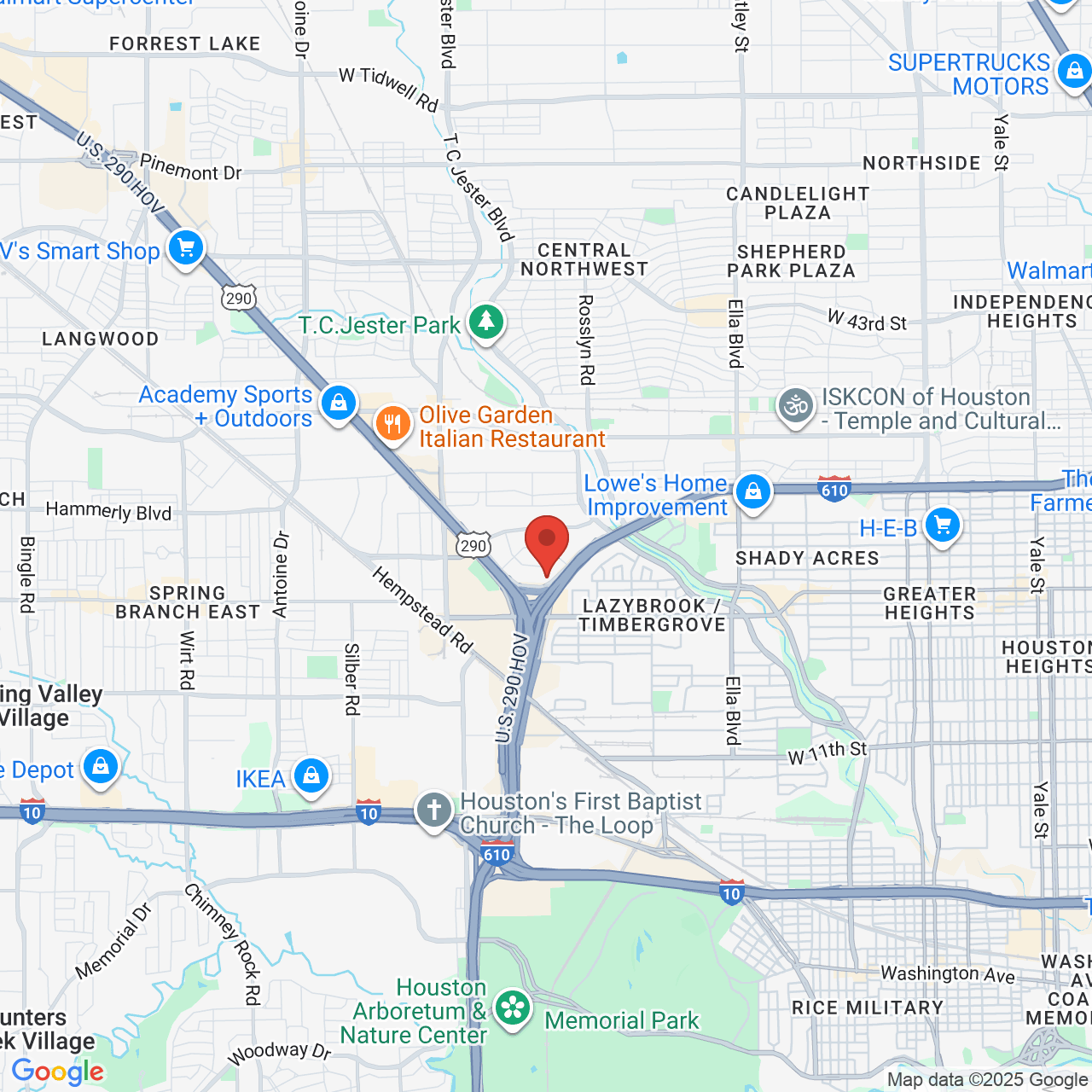
2950 N Loop W
Ste 500
Houston,
TX 77092
Loading hours...
By Appointment Only
US Mail:
P.O. Box 10099
Houston, Texas 77206